Let’s be real: South Africans talk about money every single day. Between petrol price hikes, grocery runs, interest rates, and school fees, financial chatter is everywhere. But when it comes to the emotions behind our spending habits, black tax, or asking for help? Crickets.
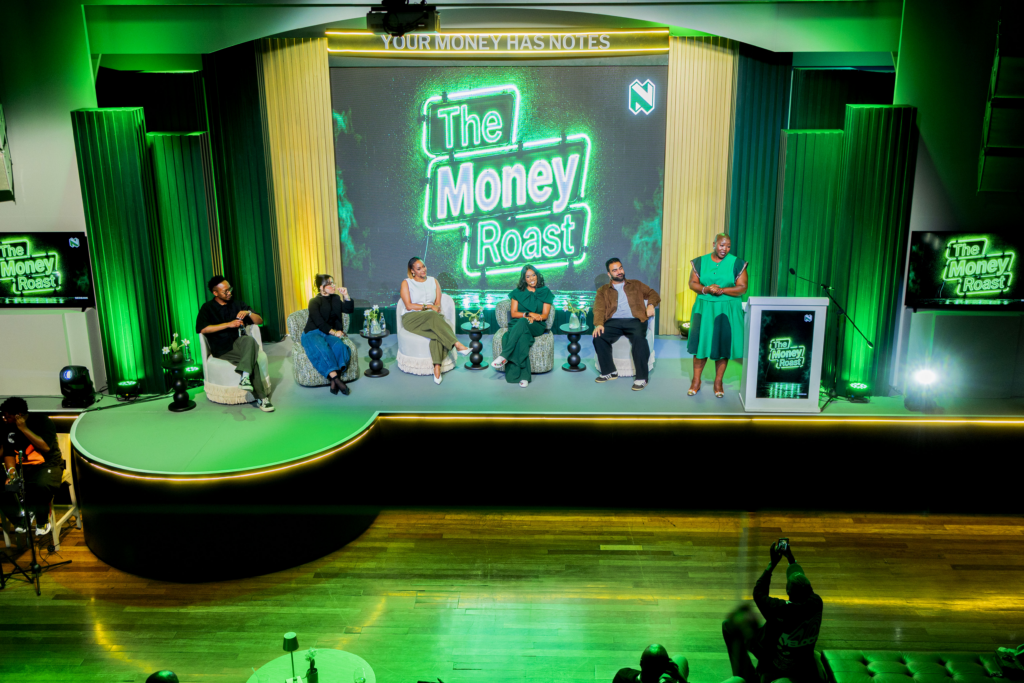
To break the ice, Nedbank hosted The Money Roast, putting South Africa’s relationship with money right in the hot seat. Hosted in a classic comedy roast format, a star-studded panel used sharp satire and relatable banter to unpack financial anxieties, social pressures, and family obligations without the usual guilt or judgment.
A Star-Studded Panel in the Hot Seat
The hilarious lineup featured top South African comedians, creators, and leaders, including:
- Celeste Ntuli
- Mojak Lehoko
- Vafa Naraghi
- Cassidy “Constantia Mom” Nicholson
- Gugulethu Mfuphi
- Khensani Nobanda (Group Chief Marketing Officer at Nedbank)
Rather than roasting an individual, the guest of honor was Mzansi’s complex relationship with money itself.
“The Money Roast was designed to bring the hidden dynamics of our money behaviours into the open in a way South Africans can relate to,” explains Khensani Nobanda, Group Chief Marketing Officer at Nedbank. “Money is part of our everyday conversation, but the feelings and behaviours behind it often remain unspoken. Humour has made it easier for people to recognise themselves in the conversation. When we can laugh at the habits and pressures that shape our money choices, we can begin talking about them more honestly.”
Hard Truths Behind the Punchlines
The punchlines were backed by serious data from Nedbank’s Money Relationships Report (anchored in the 2025 NedFinHealth Monitor), which explores how working South Africans navigate their personal finances:
- 51% of respondents identify money as their single biggest source of daily stress.
- 37% still feel embarrassed to ask for financial help when they need it.
- 24% admit that financially supporting family and friends (black tax and family obligations) is a major stress driver—up from 16% in 2023.
- 41% cite borrowing money from friends or family as their most common form of debt.
On the positive side, 71% of respondents maintain a monthly household budget, with active budgeters reporting significantly lower stress levels and better spending control.
“The Money Roast was about making the invisible visible,” Nobanda adds. “The Money Relationships Report gives people the insight and language to understand what drives their financial behaviour, while the event showed that these conversations do not have to begin with judgement. They can begin with recognition, honesty and even laughter, and lead to practical action.”